
Why Do Rats and Mice Move Into Puget Sound Homes in the Fall?
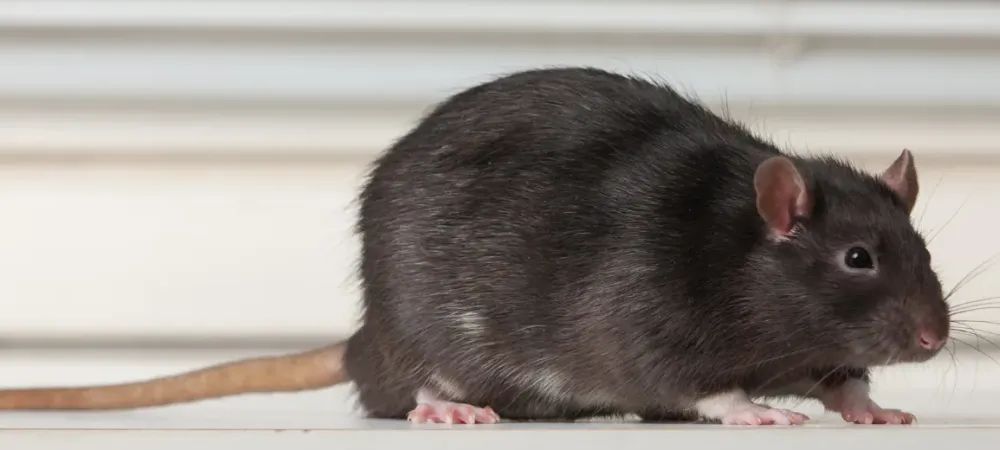
Quick answer: Rats and mice move indoors in the fall because cooler nights, heavy rain, and shrinking outdoor food sources push them to look for warm, dry shelter. In the Puget Sound region, that usually starts in September and October. Mice can squeeze through gaps as small as ¼ inch, and rats through gaps about ½ inch wide, so small openings around pipes, vents, crawl spaces, and rooflines are often all it takes.
The first fall rainstorm marks a turning point for many Western Washington homes. The yard gets quieter, the heat kicks on, and then, a few weeks later, you hear something scratching inside the wall at night. That timing isn't a coincidence.
Fall is when rodents start looking for a place to spend the winter, and a warm house with food in the pantry is exactly what they're after. Below, we'll cover when mice and rats typically come inside, how they get in, what it sounds like when they're in your walls or attic, and how to keep them out before winter sets in.
When Do Mice Come Inside?
Mice and rats usually start moving indoors in early to mid-fall. In the Puget Sound region, that often lines up with September and October, when nighttime temperatures drop, and the fall rains return. As we noted in our guide on how to get rid of rats and mice, rodent activity is generally heightened in summer and fall, and problems tend to grow as winter approaches.
Several things change at once in the fall, and they all push rodents toward your home:
- Temperatures drop. Cool, damp nights make warm, dry indoor spaces far more appealing.
- Outdoor food runs low. Seeds, fruit, and garden scraps that fed rodents all summer start to disappear.
- Burrows and nests flood. Heavy fall rain can soak ground-level nests, especially for Norway rats that burrow.
- Populations peak. After a summer of breeding, there are simply more rodents looking for a home.
Weather plays a role in how many rodents are out there, too. Researchers at Washington State University have noted that "more rain produces bumper crops of vegetation that the mice eat," which leads to more young mice. In a region as wet as ours, that can mean a lot of rodents heading for shelter once fall arrives.
How Do Mice Get in the House?
Mice get in through surprisingly small openings, even as small as 1/4th of an inch. That's roughly the width of a pencil. Rats need a little more room, but not much. Rats "can easily squeeze through cracks as small as half an inch."
Rats are also persistent chewers. They only need a hole a couple of centimeters in diameter, and then chew the opening larger. That means a gap that looks too small to matter can quickly become a doorway.
Common rodent entry points include:
- Gaps around plumbing, electrical, cable, and gas lines
- Crawl space vents with torn, rusted, or missing screens
- Crawl space access doors that don't close tightly
- Gaps along rooflines, gables, and eaves
- Openings around chimneys and fireplaces
- Dryer vents, attic vents, and soffit vents
- Gaps under garage doors and exterior doors without sweeps
- Cracks in the foundation or where siding meets the foundation
Many of these entry points are in places homeowners rarely look, like the crawl space or the top of an exterior wall. Crawl spaces are especially common entry points in Kitsap, Pierce, and King County homes, where many houses are built over vented crawl spaces instead of basements. If that's a concern for your home, our guide to keeping pests out of your crawl space walks through what to look for.
What Are the Signs of Rodents in Your Walls?
The most common sign of mice in your walls is noise, especially at night. Rodents are most active after dark, so you'll usually hear them in the evening or overnight when the house is quiet. The sounds tend to come from inside walls, above ceilings, or under floors.
Signs of mice or rats in your walls or attic:
- Scratching or scurrying. Light, quick scratching often points to mice. Heavier thumping or scrambling may mean rats.
- Gnawing sounds. Rodents chew constantly, and you may hear it through drywall or ceilings.
- Squeaking. WDFW notes that rats make "squeaks and fighting noises, as well as clawing, scrambling, and gnawing sounds."
- Droppings near baseboards and cabinets. Mouse droppings are small, dark, and slightly larger than a grain of rice. Rat droppings are larger and pointed at both ends.
- Musty odors. A stale, urine-like smell in a closet or cabinet can mean an active nest nearby.
- Pets acting strangely. Cats and dogs often stare at, sniff, or paw at a wall where rodents are moving.
- Gnaw marks and greasy rub marks. Look along baseboards, pipes, and openings where rodents travel.
If you're specifically seeing signs of rats, our post on how to know if rats are in your house covers rat droppings, tracks, and nesting habits in more detail.
Why a Few Mice in the Fall Can Become a Winter Infestation
It's easy to write off one mouse sighting in October. The problem is that rodents reproduce quickly, and a home with food, water, and warmth gives them no reason to slow down.
How fast rodents multiply: A female house mouse averages five babies per litter and "may have as many as ten litters per year." A new mouse can be ready to reproduce in as little as eight weeks. Rats aren't far behind. WSU Extension notes that both common rat species "breed year round, producing a litter of six to ten after a three week gestation period."
That means a pair of mice that gets inside in early fall can become a much bigger problem by the holidays. The longer rodents stay, the more damage they do.
There's also a health risk to consider. The WA Department of Health reports that hantavirus-infected deer mice are found throughout Washington. People can get sick by "breathing contaminated dust after disturbing or cleaning rodent droppings or nests." Hantavirus is rare, but it's serious, and roughly one in three people diagnosed have died.
How to Rodent-Proof Your Home
The best time to rodent-proof your home is early fall, before mice and rats settle in. Once they've built nests inside, sealing entry points can trap them in your walls. Ideally, seal up your home in September or early October and watch for new activity through the winter.
Steps to keep rodents out this fall:
- Seal gaps larger than ¼ inch. The WA Department of Health recommends sealing cracks around window and door sills, pipes under sinks, foundations, and attics.
- Use the right materials. DOH recommends "steel wool and caulk" for small holes and "lath screen or metal, cement, hardware cloth, or metal sheeting" for larger gaps. Rodents can chew through foam and plastic.
- Check crawl space vents and doors. Replace damaged vent screens and make sure access doors close tightly.
- Install door sweeps. Add sweeps to exterior doors and check the seal along the bottom of the garage door.
- Trim trees and shrubs. Keep branches off the roof and away from the house to cut off roof rat highways.
- Store food in sealed containers. This includes pet food, birdseed, and anything stored in the garage.
- Move firewood away from the house. King County recommends stacking firewood 18 inches off the ground.
If you find droppings or nesting material while you're working, don't sweep or vacuum them up.
How Sound Pest Control Can Help
At Sound Pest Control, we know fall is when many homeowners first notice rodents, and we understand how quickly a few mice in the wall can turn into a bigger problem. Our goal is to remove rodents from your home and keep them from coming back.
When you call us about rats or mice, here's what you can expect from our rodent control services:
- A thorough inspection. One of our experienced technicians will look for signs of activity and find the entry points rodents are using.
- A personalized treatment plan. We tailor our approach to the type of rodent, the size of the problem, and the layout of your home.
- Effective removal. We use EPA-approved traps and baits, along with family- and environmentally friendly methods.
- Exclusion work. We patch holes and seal entry points to help prevent future infestations.
- Crawl space repair. If rodents are getting in through your crawl space, our crawl space repair program can replace damaged vent screens, doors, and frames.
We don't require long-term contracts, and we're proud to be a local Puget Sound company. If you're hearing scratching in the walls or finding droppings in the pantry this fall, contact Sound Pest Control today for a free quote.