
Where Do Wasps Go in the Winter? What Happens to Nests in Washington
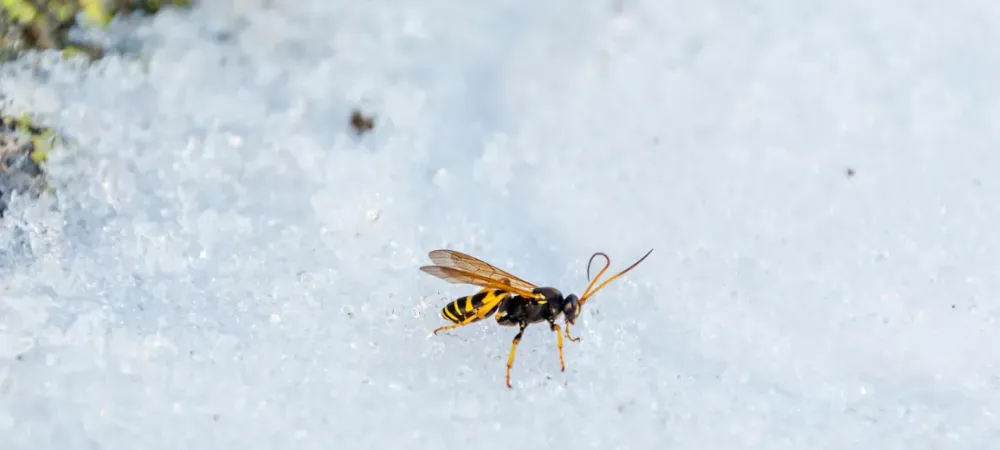
If your yard was buzzing with wasps all summer and now seems quiet, you might be wondering where they all went. It's a fair question, especially if you've spotted a lone wasp crawling across your window in January. Winter wasp behavior can be confusing, and it has a direct effect on how many wasps you'll see around your home next year.
Here in the Puget Sound region, our mild, wet winters give overwintering wasps plenty of places to hide, including inside the homes we live in. Below, we'll break down where wasps go when temperatures drop, what happens to their nests, and what to do if a wasp shows up inside during the colder months.
Where Do Paper Wasps Go in the Winter?
Paper wasp queens spend the winter tucked into protected, dry spaces where they can stay dormant until spring. The rest of the colony doesn't survive. Fertilized queens leave the colony in fall, find shelter, and wait out the colder months before starting a new colony in spring. Washington State University's Pestsense program identifies protected areas as common overwintering locations for European paper wasp queens.
In western Washington, the European paper wasp is one of the most common paper wasps you're likely to encounter. It nests in a wide range of sheltered locations, including under eaves, on deck railings, in light fixtures, and inside mailboxes.
When fall arrives, the colony raises males and new queens. After mating, those fertilized queens go looking for shelter.
Common places paper wasp queens spend the winter:
- Inside the walls of homes, garages, and sheds
- Attics and structural eaves
- Under loose tree bark
- In woodpiles and stacked lumber
- Behind siding, shutters, and window trim
- Inside folded fabric, stored furniture, or outdoor gear left in sheds
That last one isn't a joke. Paper wasp queens can take shelter in stored items, including folded blankets. It's a good reminder to shake out anything that's been stored in a garage, attic, or shed before you bring it inside.
Yellowjackets follow a similar pattern. Their colonies die off in the cold, while new queens overwinter alone in protected places. Yellowjacket colonies can also remain active later into the fall than paper wasp colonies, especially during mild weather.
Do Wasps Die in the Winter?
Yes, most of them do. Worker wasps and males aren't built to survive the winter. Once cold weather arrives in late fall, the colony shuts down. The workers die off, the males die after mating season, and the nest is abandoned. Only the fertilized queens, which make up a small fraction of the colony, live to see spring.
This is why late summer and early fall can feel like peak wasp season. The colony is at its largest, and yellowjackets become especially interested in sugary foods such as fallen fruit, drinks, and food around outdoor gatherings.
Warm fall weather can also keep wasps active longer than homeowners expect. Workers can remain active well into the fall, particularly before hard frosts arrive. Once temperatures consistently drop, wasp activity decreases quickly.
Good to know: A quiet yard in December doesn't mean you're wasp-free for good. Every queen that successfully overwinters near your home can start a new colony in spring. That's why fall and winter are a smart time to start thinking about prevention.
The surviving queens don't hibernate the way a bear does. They enter a dormant state and wait out the cold, living off fat reserves they built up in the fall. When temperatures warm in spring, they wake up. European paper wasp queens can become active in late March or early April and begin building new nests.
Is It Safe to Remove a Wasp Nest in the Winter?
In most cases, winter is the safest time of year to deal with an old wasp nest. By mid-winter, the colony has died, and exposed nests are usually empty.
That said, "usually empty" isn't the same as "always empty." A few things can make winter nest removal riskier than it looks:
- Mild weather can extend the season. Yellowjacket colonies may remain active into late fall when temperatures stay warm.
- Nests in walls or the ground are hard to judge. You can't easily tell whether a hidden nest is still active.
- Dormant queens may be nearby. Queens can overwinter in the same structures where colonies were previously established.
- Allergies change the stakes. Wasp stings can cause serious allergic reactions in some people.
If you do take down an exposed, clearly empty nest yourself, wear gloves and long sleeves, and choose a cold day when insects are least active. Never try to burn a nest or treat it with household chemicals.
Hidden nests are a different situation. Nests inside walls, high rooflines, attics, or other difficult-to-reach areas are better left to a professional stinging wasp exterminator, particularly if anyone in the household has a known sting allergy.
Do Wasps Come Back to the Same Nest Every Year?
Usually not. Wasps generally build a new nest from scratch each spring rather than moving back into an old one. There is a small exception with European paper wasps, which may occasionally reuse an old nest, but this isn't the norm.
So why do wasps seem to come back to the same place every year?
Why wasps seem to "come back" every year: Even if they don't reuse the same nest, wasps often return to the same spot. The things that made your home attractive last year, like sheltered eaves, gaps in siding, deck railings, or a quiet shed, are still there. Overwintering queens may also be sheltering in or near that same structure, so a new nest can appear just a few feet from the old one.
This is why simply knocking down old nests isn't a complete fix. It can help, but it doesn't address why wasps keep choosing your property. Sealing entry points and addressing high-risk areas before spring gives you a better chance of preventing another colony.
Timing matters, too. Early spring is a good time to look for new nests, while they're still small. At this stage, a nest may contain only a queen and a few developing cells instead of the much larger population it can support later in the summer.
If wasps were a problem at your home this year, put a spring inspection on your calendar now.
What Should I Do If I Find Wasps in My Home During Winter?
Finding a wasp inside in January or February is more common than most people think. In many cases, it's a queen that crawled into your walls, attic, or window frame in the fall to overwinter. Warmth from your home can wake her up early, and she ends up wandering indoors instead of outside.
One wasp is usually not a sign of an active nest inside your home. Overwintering queens are sluggish and are less likely to sting unless they're pressed against your skin or trapped. Still, you should handle the situation carefully.
If you find a wasp inside during winter:
- Stay calm and don't swat. Give the wasp space instead of trying to hit it.
- Trap and release, or remove it safely. Cover the wasp with a cup, slide a piece of paper underneath, and take it outside if conditions are appropriate.
- Check windows and light fixtures. Queens may be drawn toward light and warmth.
- Shake out stored items. Blankets, coats, holiday decor, and patio cushions brought in from storage can provide hiding places.
- Note where you find them. Several wasps showing up in the same room can point to a specific entry point in a wall, attic, or window frame.
- Seal gaps before spring. Cracks, gaps, and holes around the home's exterior can provide access to wall voids and attic spaces.
If you or someone in your household has a known wasp or bee allergy, don't take unnecessary chances. The Washington State Department of Health recommends extra caution around bees and wasps, particularly when nests are difficult to control.
Seeing more than one or two wasps indoors over the winter is a sign that something bigger could be going on. Multiple queens may be overwintering in your walls or attic, or a yellowjacket colony may have nested inside a wall void. In those situations, it's time to bring in a professional.
How to Keep Wasps From Overwintering in Your Home
The best time to prevent next year's wasps is before this year's queens settle in. Once a queen has tucked herself into a wall void or attic, there isn't much to do but wait for spring. Keeping her out in the first place is much easier, and much of the prevention work can be done during fall and winter.
- Seal gaps before the first cold snap. Caulk cracks around window frames, siding, and trim, and fill holes where pipes and wires enter the home. WSU Extension points to sealing cracks, gaps, and holes as key to keeping wasps out of wall voids and attics.
- Screen vents and repair window screens. WSU's Pestsense program recommends tightly fitting window and door screens. Attic, soffit, and crawl space vents should be screened too.
- Take down empty nests in winter. Once you're sure a nest is abandoned, removing it keeps European paper wasp queens from reusing it in spring.
- Store items in sealed bins. Blankets, cushions, and seasonal decor kept in garages or sheds are easier to protect than to shake out later.
- Move woodpiles away from the house. Stacked firewood and lumber are common overwintering spots, so keep them away from walls and doorways.
- Check for new nests in April and May. Early-season nests are small and much easier to deal with, according to WSU Extension.
- Set yellowjacket traps in early spring. The Department of Health notes that traps work for yellowjackets, but not for paper wasps or hornets. WSU entomologists point out that catching queens in spring means fewer workers later in the year.
Wasps are a normal part of life in western Washington, and they play a helpful role as predators of other insects. Understanding where they go in the winter and where they're likely to show up next makes it much easier to keep them at a comfortable distance from your home.